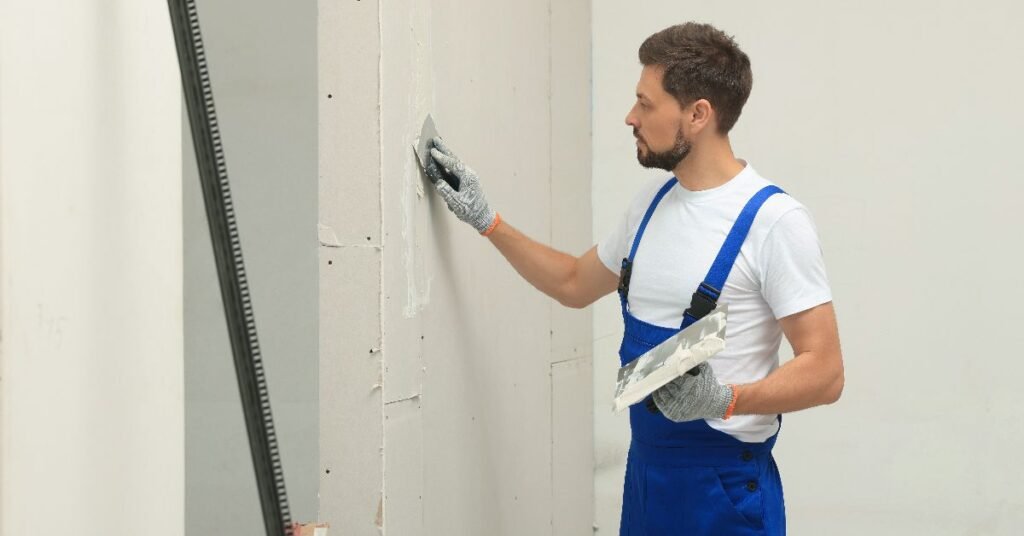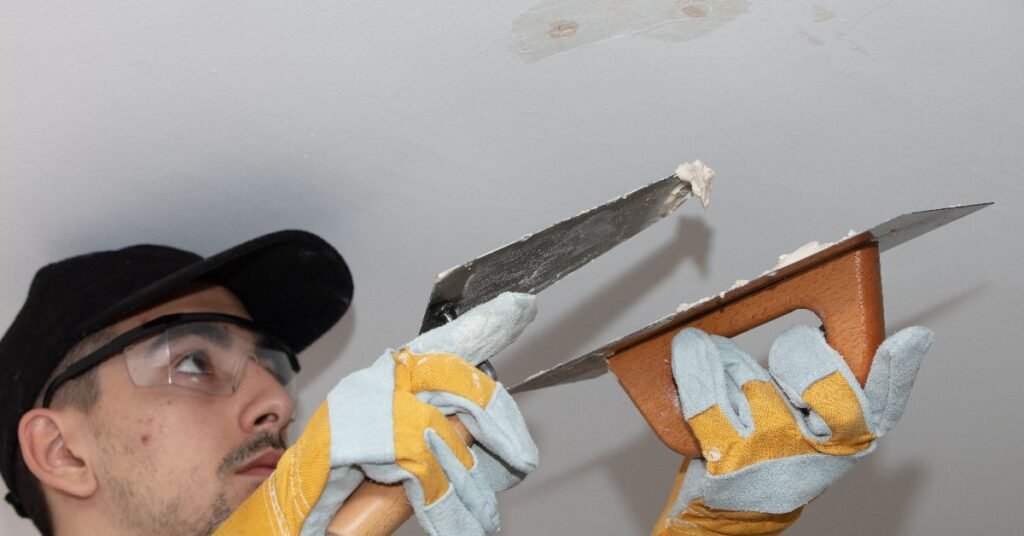
A damaged wall can look like a simple cosmetic problem, but deciding how to repair drywall properly often starts with understanding why the damage appeared in the first place. A small hole caused by an impact is very different from a recurring ceiling crack, and drywall that has been affected by moisture requires different attention than a surface that simply has dents, scuffs, or old patchwork.
For homeowners and property managers in Lynn, Massachusetts, that distinction matters. Repairing the visible surface without considering its condition can result in a wall that looks better temporarily while the original problem remains unresolved. A better drywall repair project starts with examining the damaged area, determining how extensive it is, and deciding whether patching, finishing, or replacement of a section of drywall is appropriate.
Chacon Drywall & Repairs is based in Lynn and provides drywall installation and repair, plastering, residential painting, commercial painting, and related improvement services. For property owners considering wall or ceiling work, understanding how these services connect can make it easier to plan a complete repair rather than treating each visible imperfection separately.
Not Every Drywall Problem Requires the Same Repair
Drywall can be damaged in many ways during the normal life of a property. Furniture can strike a wall, fixtures can leave openings after removal, corners can become dented, and previously repaired areas can eventually become noticeable again. Chacon specifically identifies holes, dented corners, scuffs, scrapes, cracks, and moisture or water damage among the drywall problems addressed through its repair services.
The first question should therefore not simply be how to cover the damage. It should be what condition the surrounding drywall is in.
A relatively isolated hole in otherwise sound drywall presents a very different situation from a large area that feels soft or has been repeatedly exposed to moisture. Likewise, a crack that continues to return after previous repairs deserves more attention than an isolated surface imperfection.
Good repair planning begins by looking beyond the most obvious mark on the wall.
Why Drywall Cracks Deserve a Closer Look
Cracks are among the most visible drywall problems because even a relatively narrow line can become noticeable once light crosses a wall or ceiling.
There are several possible reasons a crack may appear. Drywall joints and surrounding building materials can move over time, previous finishing work can deteriorate, and changes elsewhere in the property can affect finished surfaces.
That does not mean every drywall crack signals a serious structural issue. It does mean that repeatedly covering a crack without considering why it is returning may not provide a satisfactory long-term result.
The location and pattern of the crack are useful considerations. A crack along a drywall seam, one appearing around an opening, and a ceiling crack may require different approaches. If there are indications that the problem involves something beyond the drywall itself, the underlying condition should be evaluated by an appropriately qualified professional before cosmetic finishing becomes the priority.
For homeowners, this is an important distinction. A drywall contractor can restore damaged drywall, but drywall compound should never be treated as a solution for an unrelated building problem.
Water-Damaged Drywall Should Not Simply Be Covered
Moisture creates another important distinction between cosmetic repair and a project that requires additional investigation.
Water stains, softened drywall, peeling finishes, or damaged ceiling areas can indicate that moisture has reached the wall or ceiling system. Before restoring the visible surface, the source of that moisture needs to be identified and corrected.
Painting over a stain does not stop a leak. Similarly, installing new drywall while an active moisture problem remains can expose the replacement material to the same conditions that damaged the original surface.
Once the source has been addressed, the affected material can be evaluated to determine the appropriate scope of repair. Depending on the condition of the drywall, that may involve localized patching or removal and replacement of damaged sections.
This is one reason drywall repair and drywall installation are closely related services. Chacon’s published services include both repair of existing drywall and installation of new drywall when a project requires it.
Drywall Ceiling Repair Requires Careful Finishing
Ceilings present their own challenges because imperfections can become highly visible under natural and artificial light.
A ceiling patch may be structurally sound and still look unfinished if the repaired area does not transition smoothly into the surrounding surface. Joint treatment, compound application, sanding, texture, priming, and painting can all influence the final appearance.
The same principle applies to walls, but ceilings often make irregularities particularly easy to see because light travels across the surface rather than directly toward it.
This is why drywall repair should be viewed as more than filling an opening. The objective is to create a stable repaired area and prepare that area appropriately for the finish that follows.
Chacon’s services combine drywall work with plastering and painting, which can be useful when a project involves several stages of restoring an interior surface.
The Difference Between Repairing and Replacing Drywall
Property owners sometimes assume that damaged drywall must be completely replaced. In other situations, they may expect severely deteriorated material to be solved with a small patch. Neither assumption works for every project.
The extent and condition of the damaged area should guide the decision.
When surrounding drywall remains sound and the problem is localized, repairing the affected section may be practical. When the material has significantly deteriorated or a larger section needs to be opened as part of renovation work, replacing the affected drywall may be more appropriate.
The condition behind the finished surface can matter as well. Renovation projects sometimes expose framing, utilities, insulation, or other components that must be addressed before a wall is closed again. Those conditions can change the scope of what initially appeared to be a straightforward drywall project.
For this reason, an estimate should consider the actual condition of the area rather than relying only on a description such as “wall crack” or “ceiling hole.”
Why the Finish Matters as Much as the Patch
Repairing the damaged section is only part of producing a finished wall.
Drywall seams and patches generally need to transition into the surrounding surface so they do not remain conspicuous after painting. Joint compound application, drying, sanding, surface preparation, and primer can influence how well that transition disappears.
Paint can actually make poor surface preparation more noticeable. Differences in texture or porosity between a repaired area and the existing wall may become visible once the finished surface reflects light.
That is why homeowners planning to repaint a room should consider wall repairs before the painting begins rather than after a fresh finish has already been applied.
Chacon provides both drywall and residential painting services, allowing property owners to discuss these related stages when determining the scope of an interior improvement project.
Plaster and Drywall Are Not the Same Surface
Homes throughout Greater Boston can contain different wall and ceiling materials, and homeowners should not automatically assume every interior surface is conventional drywall.
Plaster requires its own evaluation and repair approach. A property may also contain different materials in different rooms as a result of additions or previous renovations.
Identifying the existing surface before deciding on a repair method helps avoid treating fundamentally different materials as though they were interchangeable.
Chacon maintains a dedicated plastering service in addition to its drywall work. Its published plaster services include commercial and residential applications and both smooth and textured wall finishes.
For a property owner, the practical lesson is simple: determine what material is actually damaged before deciding how that damage should be restored.
Older Homes Require Additional Renovation Considerations
The age of a property becomes particularly important when drywall, plaster, or painting work will disturb existing painted surfaces.
Massachusetts maintains specific Lead-Safe Renovation requirements for certain paid renovation, repair, and painting work in pre-1978 housing and child-occupied facilities when applicable thresholds and conditions are met. Property owners should therefore determine whether those requirements apply before work begins.
This consideration should not be treated as a minor detail added after the project has started. Surface preparation, sanding, demolition, and other renovation activities can disturb existing painted materials.
Homeowners with older properties should discuss the age and condition of the building when requesting an estimate and verify applicable requirements for the specific project.
Planning Drywall Repair Before Interior Painting
Drywall repair and interior painting work best when they are planned in the correct order.
If a room contains cracks, holes, damaged corners, uneven previous repairs, or other imperfections, those conditions should generally be evaluated before final painting. Otherwise, a new paint finish may simply highlight the defects that were already present.
Planning the work together can also make it easier to determine where patching ends and broader surface preparation begins.
A homeowner repainting one wall may discover that a repaired section requires additional preparation to blend properly. A larger renovation may require new drywall, finishing, primer, and painting across an entire area.
Thinking about the completed surface rather than treating each construction step independently helps create a more coherent project.
Local Drywall Repair Services in Lynn, Massachusetts
Choosing a drywall contractor is ultimately about understanding what work the property actually needs.
Chacon Drywall & Repairs lists its main office in Lynn, Massachusetts, and provides drywall installation and repair along with plastering, residential painting, commercial painting, and renovation services. The company also serves surrounding Greater Boston communities, including Everett, Chelsea, Boston, and East Boston.
For Lynn property owners, a good starting point is documenting the damaged area and explaining whether there has been a known leak, previous repair, recent renovation, or recurring crack. Those details can provide useful context when the area is evaluated.
You can learn more through Chacon’s services page, review its plastering services when the existing surface is plaster rather than drywall, or explore its residential painting services when painting is part of the project.
When you are ready to discuss the actual condition of the wall or ceiling, Chacon also provides an online free estimate request where homeowners can select drywall installation, drywall repair, plastering, commercial painting, residential painting, or other home improvement needs.