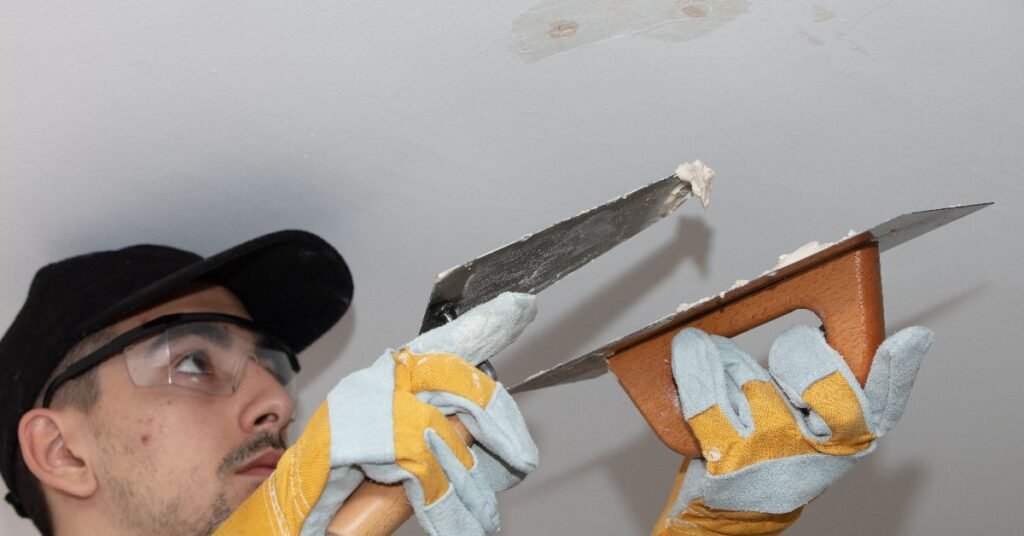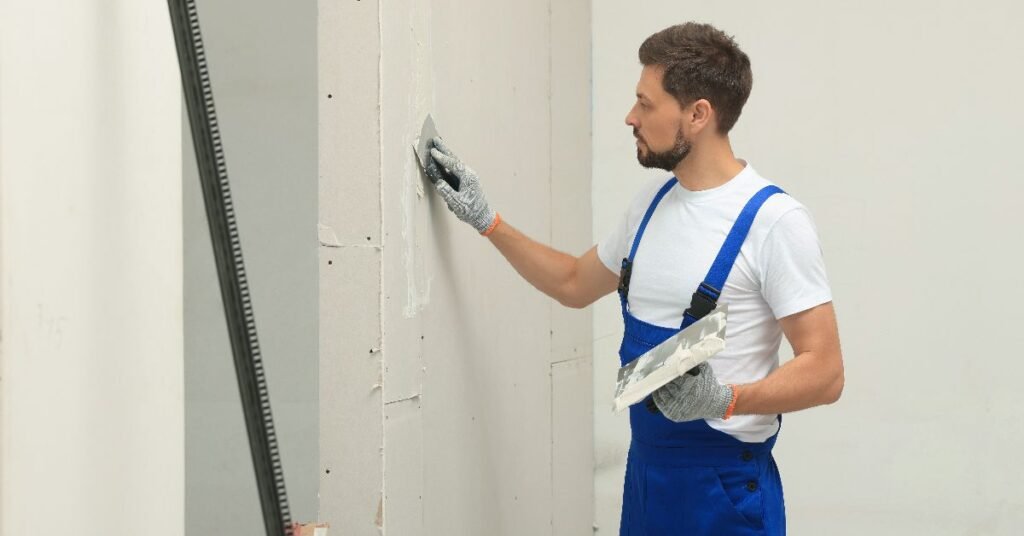
Cracked plaster, uneven wall surfaces, and damaged ceilings can change the appearance of an entire room. What begins as a narrow crack or a small area of deterioration can become increasingly noticeable as light moves across the surface, especially after walls have been repainted. For homeowners in Revere, Massachusetts, repairing plaster properly starts with understanding the existing surface rather than simply covering the visible damage.
Plaster and drywall are not interchangeable materials. They can require different preparation and finishing methods, and the condition behind the visible surface can influence what type of repair makes sense. This becomes especially important when a property has undergone previous renovations and contains a combination of original and newer wall materials.
Chacon Drywall & Repairs provides plastering, drywall repair, painting, and renovation services in Revere and other Greater Boston communities. When several types of interior work are needed, understanding how plaster repair connects with preparation and painting can help homeowners plan the project in the right sequence.
Why Do Plaster Walls Develop Cracks?
A crack is one of the most common reasons homeowners begin considering plaster repair, but not every crack develops for the same reason.
Interior finishes can be affected by movement between building materials, deterioration of previous repairs, changes around doors and windows, moisture, or conditions involving the underlying wall or ceiling assembly. The appearance and location of a crack therefore provide useful information when determining how the area should be approached.
A narrow isolated crack may represent a localized finishing problem. A crack that repeatedly returns after being repaired deserves closer attention. Multiple cracks accompanied by other noticeable changes in a property may also justify further evaluation before cosmetic restoration begins.
The important point is that plaster should not be used to conceal an unrelated underlying problem. If there are indications of structural movement or another condition beyond the finish itself, an appropriately qualified professional should evaluate that issue.
Repairing the surface makes the most sense after the condition responsible for the damage has been understood.
Why Plaster Repair Requires More Than Filling a Crack
It can be tempting to treat plaster repair as a matter of applying new material over a damaged section and sanding it smooth. In practice, the condition of the existing surface matters considerably.
Loose or deteriorated material can affect the stability of a repair. Previous patches may have different textures from the surrounding wall. Paint layers and earlier renovation work can also make it more difficult to create a consistent finish.
Before repairing a damaged section, the surrounding surface should therefore be evaluated to determine whether it remains suitable for restoration.
The objective is not simply to make a crack disappear while the repair material is fresh. The repaired section should integrate appropriately with the existing surface and provide a suitable foundation for whatever finish will follow.
Chacon’s plastering services include residential and commercial plaster work as well as smooth and textured wall finishes. That distinction is useful because matching the intended finish is part of restoring the appearance of a room.
Damaged Plaster Ceilings Need Particular Attention
Ceilings often reveal imperfections more easily than walls.
Natural light from windows and artificial lighting can travel across a ceiling and emphasize uneven patches, ridges, cracks, or differences in texture. A repair that appears relatively inconspicuous before painting may become considerably more noticeable once a uniform finish is applied.
Ceiling damage can also raise questions about what caused the problem.
A stain or deteriorated section associated with moisture should not simply be covered with new plaster or paint. The source of the moisture needs to be identified and corrected before the visible surface is restored.
This is particularly important after plumbing problems, roof leaks, or other water intrusion. Restoring the ceiling before the source is resolved can expose the repaired area to continuing damage.
Once the underlying issue has been addressed, the condition of the affected plaster can be evaluated and an appropriate repair approach determined.
Plaster Repair and Drywall Repair Are Different Projects
A homeowner may refer to any damaged interior wall as “drywall,” but that description is not always accurate.
Properties that have been renovated over time can contain different wall systems. One room may contain plaster while another contains drywall, and previous repairs may introduce newer materials into an older surface.
Correctly identifying the material helps determine how the repair should proceed.
Drywall typically relies on panels, joint treatment, and finishing compounds to create a continuous surface. Traditional plaster systems have different characteristics and may require a different restoration approach.
For homeowners unsure which material they have, determining that before purchasing repair products or beginning demolition can prevent unnecessary work.
Chacon provides both plastering and drywall installation and repair, allowing these conditions to be considered as part of the broader project rather than assuming every wall requires the same treatment.
Why Previous Repairs Sometimes Remain Visible
A wall can be technically repaired and still look uneven.
This frequently becomes apparent after painting because light reflects differently across changes in texture, surface porosity, or patch thickness. An area that appeared acceptable before painting may stand out once the entire wall has a new finish.
The transition between repaired and existing plaster therefore deserves careful attention.
Preparation can involve smoothing the repaired area, addressing surface irregularities, and selecting an appropriate primer before the finish coat is applied. The precise process depends on the existing surface and the products being used.
Paint sheen also influences how imperfections appear. Finishes that reflect more light can make variations in a wall more noticeable, while lighting direction can emphasize even relatively small changes in texture.
This is why plaster restoration and painting should be planned together when both are part of the same improvement project.
Preparing Plaster Walls Before Interior Painting
Fresh paint is not a substitute for surface repair.
If walls contain loose material, visible cracks, poorly blended patches, or deteriorating areas, applying a new finish without addressing those conditions may simply make the problems easier to see.
Preparation gives homeowners an opportunity to correct those issues before investing in the final appearance of the room.
The scope does not need to be identical for every wall. A surface in good condition may require relatively straightforward preparation, while another wall in the same property may need localized plaster repair before painting can begin.
Homeowners planning to update several rooms should therefore evaluate each space rather than assuming that all walls require the same amount of work.
Chacon also provides residential painting services, making it possible to consider plaster preparation and the subsequent finish as connected stages of an interior improvement project.
Moisture Damage Should Be Addressed Before Plaster Restoration
Moisture can affect both the finish and the materials behind it.
Discoloration, peeling paint, soft areas, bubbling finishes, or recurring stains deserve attention before cosmetic repairs begin. The visible damage may be the result rather than the source of the problem.
For example, repairing a ceiling stain without correcting an active leak can lead to repeated deterioration. Likewise, applying plaster over an area that continues to experience moisture does not address the underlying condition.
The source may involve plumbing, roofing, exterior water intrusion, condensation, or another building condition. Depending on the cause, a different qualified professional may need to resolve that issue before plaster restoration begins.
Once the moisture problem has been corrected and the area is suitable for repair, attention can return to restoring the wall or ceiling surface.
That sequence protects the repair from being treated as a solution to a problem it cannot actually solve.
Older Properties and Lead-Safe Renovation Requirements
When work involves older painted surfaces, homeowners should consider more than the appearance of the plaster.
Massachusetts has Lead-Safe Renovation requirements that apply to certain renovation, repair, and painting activities performed for compensation in pre-1978 housing and child-occupied facilities when the work falls within applicable requirements.
Activities associated with plaster repair can potentially disturb existing painted surfaces. Sanding, scraping, removing deteriorated material, opening walls, and other preparation work can all become relevant depending on the project.
For that reason, the age of the property should be discussed before work begins rather than after painted surfaces have already been disturbed.
Homeowners should verify which requirements apply to their specific property and project. The Massachusetts Department of Labor Standards provides current information about the state’s Lead-Safe Renovation requirements.
This is also an area where assumptions should be avoided. Requirements can depend on the building, the work being performed, and other circumstances surrounding the project.
Should Damaged Plaster Be Repaired or Replaced?
There is no single answer that applies to every damaged plaster surface.
Localized damage may be suitable for restoration when the surrounding material remains in appropriate condition. More extensive deterioration can require a different approach, particularly when large areas are loose, damaged by moisture, or affected by broader renovation work.
In some projects, drywall may become part of the solution. That does not mean drywall should automatically replace existing plaster whenever a crack appears.
The condition of the existing material, the extent of the project, the desired finish, and other construction work should all be considered before deciding how much material needs to be removed.
A professional evaluation is useful because it allows the repair scope to be based on the actual wall or ceiling rather than assumptions made from photographs or a general description.
Planning Plaster Repairs as Part of a Larger Renovation
Plaster damage is sometimes discovered during a project that began for another reason.
A homeowner may decide to repaint a room and then notice deteriorating areas during preparation. Removing cabinets or fixtures may reveal previous wall repairs. Electrical or plumbing work can create openings that later need to be restored.
These situations demonstrate why sequencing matters during renovation.
Mechanical, electrical, plumbing, or other necessary work behind a wall should generally be completed before the final surface is restored. Repairing and painting the wall first only to reopen it for additional work creates unnecessary duplication.
Once concealed work is complete, plaster or drywall restoration can prepare the room for painting and other finish work.
Chacon publishes a range of home improvement services that include drywall, plastering, painting, and renovations, which can be useful when discussing a project involving more than one interior surface.
Plaster Repair Services in Revere, Massachusetts
A successful plaster repair should begin with the existing condition of the property rather than a predetermined solution.
For Revere homeowners, that means determining whether the damaged surface is plaster or drywall, looking for signs of moisture or recurring movement, considering previous repairs, and deciding how the restored area will ultimately be finished.
These questions become particularly important when repairing ceilings or preparing an entire room for new paint.
Chacon Drywall & Repairs serves Revere and surrounding Greater Boston communities with plastering, drywall repair, painting, and renovation services. Property owners can review the company’s plastering services to learn more about its published plaster work.
If the project also involves repainting the repaired space, Chacon’s residential painting services provide additional information about that part of the project.
When the extent of the damage is uncertain, the most useful next step is to evaluate the actual surface rather than guessing how much work it requires. Revere homeowners can use Chacon’s free estimate request to provide information about their project and discuss the appropriate scope of work.