Painting a commercial property involves more than changing wall colors. Offices, retail spaces, common areas, and other business interiors can experience considerable daily wear, and the condition of the walls often reflects years of furniture movement, equipment installation, previous repairs, cleaning, and normal use.
For businesses and commercial property owners in Chelsea, Massachusetts, a painting project can be an opportunity to address those accumulated surface problems while refreshing the appearance of the space. The quality of the result, however, depends heavily on what happens before the finish coat is applied.
Wall preparation, drywall and plaster repairs, product selection, access to work areas, drying conditions, and coordination with normal operations can all influence a commercial painting project. Considering these issues before work begins helps establish a realistic scope rather than treating painting as an isolated cosmetic task.
Chacon Drywall & Repairs provides commercial painting along with drywall, plastering, and renovation services in Chelsea and surrounding Greater Boston communities. For businesses requiring several types of interior work, planning them in the appropriate order can help reduce unnecessary duplication.
Start With the Condition of the Commercial Space
Commercial interiors can develop surface damage differently from residential rooms.
High-traffic areas may accumulate scuffs and impacts. Offices can have holes left from mounted equipment, shelving, signs, or furniture. Common areas may contain repaired sections that no longer match the surrounding walls. Changes in tenant layouts can also leave behind openings or unfinished surfaces that need attention before repainting.
These conditions should be identified before determining the painting scope.
A wall that is structurally sound and simply needs preparation presents a different project from one containing damaged drywall, deteriorated plaster, or evidence of moisture. Painting both situations as though they were identical can lead to disappointing results.
An initial review of the property can help distinguish ordinary painting preparation from repairs that should be completed first.
Chacon’s commercial painting services are part of a broader service offering that includes wall repair and plastering, which can be relevant when existing surfaces require more than paint.
Drywall Damage Should Be Addressed Before Commercial Painting
Commercial walls often need repairs before they are ready for a new finish.
Moving equipment, modifying offices, installing displays, removing wall-mounted fixtures, or completing electrical and plumbing work can leave openings and damaged areas in drywall. Previous repairs can also remain visible if they were not properly blended into the surrounding surface.
Applying paint does not correct those differences.
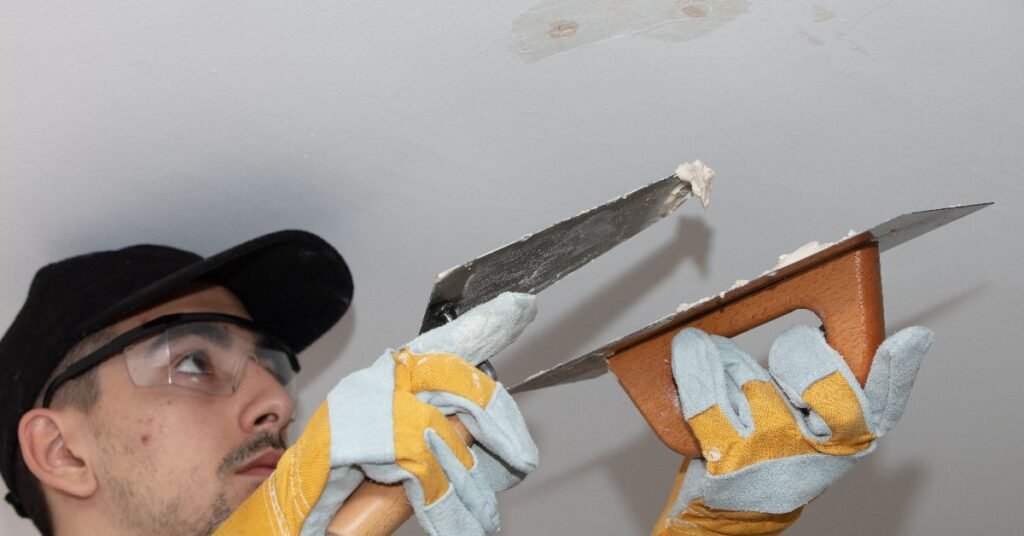
Drywall patches need to be finished appropriately before primer and paint are applied. Depending on the condition of the surface, preparation may involve joint treatment, compound application, sanding, and other steps necessary to establish a suitable substrate.
The goal is not merely to hide an opening. It is to prepare the repaired section so the completed wall has a consistent appearance appropriate for the space.
This is especially important in customer-facing areas where strong lighting or large uninterrupted walls can make surface irregularities more noticeable.
When drywall work is necessary, Chacon’s broader services provide information about its drywall installation and repair offerings.
Plaster Surfaces Require a Different Approach
Not every commercial interior consists entirely of modern drywall.
Existing buildings can contain plaster walls, drywall, or combinations created through renovations completed at different times. Treating all of those surfaces the same can complicate preparation.
Cracked or deteriorated plaster should be evaluated before painting. Loose material, uneven previous repairs, and differences in texture can affect the final appearance even when the new paint itself is properly applied.
When plaster restoration is necessary, completing that work first provides a better foundation for the subsequent painting stages.
Chacon offers dedicated plastering services for commercial and residential applications, including smooth and textured finishes.
Identifying the existing wall material early in the planning process can therefore prevent painting from becoming an attempt to conceal damage that should have been repaired beforehand.
Scheduling Matters in an Operating Business
One of the major differences between residential and commercial painting is the way the project interacts with normal use of the property.
A business may need employees to continue working. Customers may still require access to certain areas. Furniture, equipment, merchandise, or other materials may need to be protected or relocated. Some sections of a building may have limited periods when contractors can work without interfering with operations.
These conditions should be discussed before a schedule is established.
It can be tempting to assume that all commercial painting can simply happen after business hours. In practice, the feasibility of that approach depends on the project, building access, preparation requirements, drying times, ventilation, and the amount of work involved.
A larger project may benefit from being organized in phases so that different sections can be prepared and painted while other areas remain available.
The right schedule is therefore specific to the property and its operations rather than a standard timetable applied to every commercial project.
Preparation Takes Time and Should Be Included in the Schedule
A commercial painting schedule should account for more than the time required to apply paint.
If walls need drywall repair, those areas must be completed and prepared before coating. Damaged plaster may require restoration. Surfaces may need cleaning or additional preparation depending on their condition. Primers and finish coatings also have manufacturer-specified application and drying requirements.
Skipping preparation to shorten the schedule can undermine the purpose of the project.
Business owners and property managers should instead discuss which preparation steps are necessary and how they affect access to each area.
This creates a more realistic understanding of the project timeline and reduces the risk of discovering extensive repair work after the painting schedule has already been established.
Choosing Paint for a Commercial Interior
Commercial spaces do not all experience the same level or type of use.
An administrative office, corridor, reception area, retail environment, and employee break area can place different demands on painted surfaces. Some locations may require frequent cleaning, while others prioritize appearance or consistency across large wall areas.
Coating selection should reflect those conditions.
Durability, cleanability, sheen, substrate compatibility, and manufacturer recommendations can all be relevant when selecting products. The appropriate choice depends on where the coating will be used and the condition of the existing surface.
Color also deserves consideration beyond branding or personal preference.
Lighting can substantially change how a color appears. Natural daylight, overhead fixtures, directional lighting, flooring, furnishings, and surrounding finishes can influence the final result.
Evaluating these conditions before painting a large commercial area can help property owners make a more informed selection.
Moisture Stains Need More Than Fresh Paint
A stain on a commercial wall or ceiling should not automatically become part of a routine repaint.
Discoloration may indicate a previous moisture event, but it can also signal an active problem. Before restoring the visible finish, the source should be understood.
Depending on the property, moisture may originate from plumbing, roofing, exterior water intrusion, condensation, or another building condition. Painting the stain does not resolve any of those causes.
If another qualified trade is required to correct the underlying issue, that work should take place before the final wall or ceiling restoration.
Once the moisture source has been corrected and the affected materials are suitable for repair, damaged drywall or plaster can be evaluated and the surface prepared for painting.
This sequence prevents paint from being treated as a solution for a problem occurring behind it.
Coordinate Other Trades Before Final Painting
Commercial renovations often involve more than one contractor or trade.
Electrical modifications, plumbing work, HVAC changes, new fixtures, data cabling, signage, cabinetry, or other improvements may require access to walls and ceilings.
Completing the final painting before those activities are finished can create unnecessary additional work.
If an electrician needs to open a wall after it has been painted, for example, the area may need drywall repair, finishing, primer, and paint again. Similar problems can occur when fixtures are relocated after surface work is complete.
Coordinating the project sequence helps avoid those situations.
Where possible, work that requires access behind finished surfaces should be completed before final drywall or plaster restoration and painting.
Painting then becomes one of the concluding stages of the improvement project rather than a surface that must repeatedly be disturbed.
Commercial Painting and Occupied Spaces
Working in an occupied commercial environment requires attention to how the project affects people using the property.
Access restrictions, work zones, ventilation, product instructions, drying and curing conditions, and normal business activities should all be considered.
Businesses should communicate operational requirements before work begins. A property with customers entering throughout the day may require a different approach from an unoccupied space undergoing renovation.
Product manufacturers provide instructions regarding application conditions, ventilation, drying, recoating, and other requirements. Those instructions should be followed for the coatings selected for the project.
Property-specific safety or building requirements may also apply depending on the scope of work.
Rather than assuming one procedure applies to every business, these considerations should be addressed according to the actual commercial environment.
Older Commercial Properties May Require Additional Planning
The age and history of a commercial property can affect renovation and painting work.
Existing wall systems may differ from newer construction. Multiple generations of paint and previous repairs can complicate preparation. Renovation can also expose conditions that were not visible before work began.
Older painted surfaces may introduce additional regulatory considerations depending on the property, occupancy, work being performed, and applicable laws.
Massachusetts maintains Lead-Safe Renovation requirements for certain covered renovation, repair, and painting activities that disturb painted surfaces in applicable pre-1978 properties, including certain child-occupied facilities.
Because requirements depend on the circumstances of the project, commercial property owners should determine what applies to their building before work that disturbs older painted surfaces begins.
The age of the building should therefore be part of the initial project discussion rather than something considered only after preparation has started.
Planning a Commercial Painting Estimate
A useful commercial painting estimate should be based on the actual scope of work.
Square footage is important, but it is not the only consideration. The condition of walls and ceilings, amount of preparation, drywall or plaster repairs, access, ceiling height, existing finishes, occupied areas, and other project requirements can all affect the work involved.
Property owners can help the estimating process by identifying known problem areas in advance.
If there has been a previous leak, recurring crack, damaged section of drywall, or planned work by another contractor, communicating that information can help provide context for the project.
Businesses should also determine which rooms or areas are included and whether work needs to be phased around operating hours.
The objective is to establish a scope that reflects what the property actually requires rather than comparing projects solely by the number of rooms being painted.
Commercial Painting Services in Chelsea, Massachusetts
For businesses and commercial property owners in Chelsea, planning the work before painting begins can make a significant difference in how the project proceeds.
The process starts with understanding the existing surfaces. Drywall damage should be identified, plaster problems evaluated, moisture stains investigated, and work by other trades coordinated before final finishes are applied.
Scheduling and coating selection can then be considered in relation to the way the property is actually used.
Chacon Drywall & Repairs serves Chelsea and surrounding Greater Boston communities with commercial painting, drywall, plastering, and renovation services.
Businesses can learn more about Chacon’s commercial painting services or review the company’s broader services when wall repair or additional improvement work is part of the project.
Chacon also maintains information specifically for its Chelsea service area, providing another direct resource for local property owners considering a project.
When the required preparation or complete scope is uncertain, businesses and property managers can use Chacon’s free estimate request to provide project information.
A commercial painting project should ultimately do more than place a new color over an old surface. Addressing repairs, preparation, scheduling, and the needs of the occupied space first creates a more appropriate foundation for the finished work.