Choosing a new wall color may be the most visible part of an interior painting project, but it is rarely the part that determines the quality of the finished surface. Long before the first finish coat is applied, the condition of the walls and ceilings can influence whether a room ultimately looks clean and consistent or whether old cracks, patches, dents, and surface irregularities remain visible.
For homeowners in Everett, Massachusetts, this is particularly important when painting is part of a larger home improvement project. A room may contain drywall damage from everyday use, older plaster surfaces, previous repairs, water stains, or areas where fixtures and hardware have been removed. Applying paint without addressing these conditions does not make them disappear.
Professional interior painting therefore begins with an evaluation of the surfaces being painted. Chacon Drywall & Repairs provides residential painting along with drywall repair, plastering, and renovation services in Everett and surrounding Greater Boston communities. When a project involves more than a color change, coordinating these services can help establish the correct sequence of work.
A Better Paint Finish Starts With the Existing Wall
Interior paint follows the surface beneath it.
If a wall contains dents, poorly finished patches, cracks, or changes in texture, those imperfections can remain visible after painting. In some cases, a fresh finish can make them more noticeable because the new paint creates a more uniform color while light continues to reveal differences in the wall itself.
That is why preparation should not be treated as a minor step between choosing a color and opening a paint can.
The existing condition of the room should be examined first. Nail and screw holes, damaged corners, drywall seams, plaster cracks, peeling coatings, stains, and previous patchwork may all require attention before finish painting begins.
Not every imperfection requires extensive repair. The purpose of evaluating the walls is to distinguish minor preparation from damage that needs additional work.
A homeowner who understands that distinction can establish a more realistic painting scope before the project begins.
Why Drywall Repairs Should Usually Come Before Painting
Drywall damage is common in occupied homes.
Furniture movement can damage corners. Shelving, televisions, artwork, and other fixtures can leave holes when they are relocated. Plumbing or electrical work may require sections of a wall to be opened. Previous renovations can also leave patches that were never fully blended into the surrounding surface.
Painting directly over these areas does not correct their shape or texture.
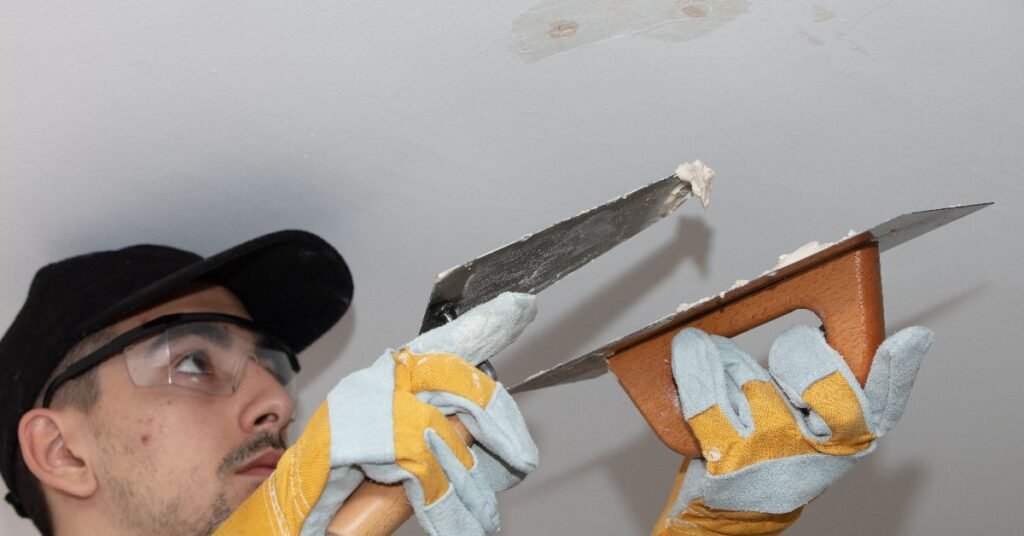
When drywall needs repair, the damaged section should be addressed and appropriately finished before the final painting process. Depending on the condition, this may involve patching an opening, treating joints, applying compound, sanding, and preparing the repaired surface for primer.
The objective is not merely to close a hole. The repaired section should transition into the surrounding wall so that it does not become the focal point once the room is painted.
Homeowners planning this type of project can review Chacon’s services for information about the company’s drywall installation and repair work as well as its related interior improvement services.
Why Previously Patched Areas Can Show Through New Paint
One frustrating situation for homeowners is discovering that an old repair becomes more noticeable after a room has been repainted.
This can happen even when the wall is the same color from one side to the other.
Repaired drywall can have a different texture or porosity from the surrounding painted surface. Joint compound, bare drywall paper, existing paint, and previously primed areas do not necessarily absorb coatings in exactly the same way.
When those differences are not addressed during preparation, variations in sheen or texture can remain visible in the completed wall.
Primer can play an important role in preparing repaired surfaces, but the appropriate product and process depend on the existing condition and the coating system being used. Manufacturer instructions should be followed for the products selected for the project.
Surface preparation and coating selection therefore work together. One cannot reliably compensate for poor execution of the other.
Plaster Walls Need Their Own Evaluation Before Painting
Not every interior wall in an Everett property will necessarily be drywall.
Homes that have been renovated over time may contain plaster, drywall, or a combination of materials. Previous repairs can also introduce drywall sections into rooms that otherwise contain plaster walls.
Knowing what surface is being painted matters because plaster damage should be evaluated as plaster rather than automatically treated as a drywall problem.
Cracks, loose areas, and uneven previous repairs may require restoration before painting. Simply filling a visible line and immediately applying paint may not produce a consistent result if the surrounding surface is deteriorated.
Chacon offers dedicated plastering services that include smooth and textured wall finishes. When plaster restoration is necessary, completing that work before final painting allows the finish coat to become the last stage of the repair rather than an attempt to conceal it.
Water Stains Should Be Investigated Before Repainting
A water stain presents a different situation from a simple scuff or dent.
Discoloration on a ceiling or wall can indicate previous or active moisture intrusion. Before repainting the area, homeowners should understand where the moisture came from and whether the source has been corrected.
A plumbing leak, roof problem, exterior water intrusion, or another moisture condition cannot be solved with paint.
Even when a stain-blocking product is appropriate for the final restoration, that coating addresses the appearance of the affected surface. It does not repair the source of the water.
The correct sequence is therefore important. The source should be identified and corrected by the appropriate professional when necessary. Damaged wall or ceiling material can then be evaluated, repaired where appropriate, prepared, and ultimately painted.
Skipping directly to the final step can turn what looks like a completed painting project into a recurring repair.
Paint Sheen Can Change How Imperfections Look
Color receives a great deal of attention during interior design, but sheen can also influence how a finished wall appears.
Light interacts differently with various paint finishes. As reflectivity increases, surface irregularities may become more noticeable under certain lighting conditions.
This becomes especially relevant on walls that have received multiple repairs or that contain an uneven existing texture.
A finish should not be selected solely to conceal defects, however. Different spaces have different requirements for appearance, maintenance, moisture exposure, and cleaning. Product suitability should be considered alongside the desired visual result.
The way a room is illuminated also matters. Natural light entering from a window can travel across a wall and reveal imperfections differently from overhead artificial lighting.
Evaluating samples in the actual room can therefore provide more useful information than selecting a color exclusively from a small sample viewed under different lighting.
Painting Kitchens, Bedrooms, Hallways, and Living Areas
Interior rooms do not all experience the same conditions.
Hallways and frequently used common areas can receive repeated contact. Bedrooms may have different maintenance requirements. Kitchens introduce cooking activity and cleaning considerations, while bathrooms and other moisture-prone environments require particular attention to ventilation, surface condition, and product suitability.
This does not mean every room requires an entirely different painting system. It means the intended use of the space should be part of the product-selection process.
A homeowner repainting several rooms should discuss how those rooms are used rather than assuming that one paint and one finish are automatically appropriate everywhere.
Manufacturer recommendations remain important when determining where a particular coating should be applied and how the surface should be prepared.
Professional painting combines these product considerations with the practical work of preparing walls, protecting surrounding areas, and applying a consistent finish.
Why Ceiling Preparation Matters Too
Walls are often the focus of an interior painting project, but ceilings can have an equally strong effect on the finished appearance of a room.
Ceilings may contain old patches, cracks, stains, drywall joint imperfections, or differences in texture. Because light frequently travels across the ceiling surface, these conditions can become noticeable after fresh paint is applied.
If a ceiling has visible damage, evaluating that damage before painting is particularly important.
Moisture stains require investigation. Cracks should be examined rather than automatically covered. Previously patched areas may need additional preparation to blend with the surrounding ceiling.
When ceiling repair and wall painting are part of the same project, completing repairs first prevents newly painted areas from being disturbed by subsequent drywall or plaster work.
That sequencing can make the entire project more efficient.
Older Homes and Painted Surface Renovations
The age of a property can introduce additional considerations when preparation involves disturbing existing painted surfaces.
Massachusetts maintains Lead-Safe Renovation requirements for certain paid renovation, repair, and painting work involving applicable pre-1978 housing and child-occupied facilities. Depending on the project, activities such as sanding, scraping, cutting, or removing painted materials can be relevant.
Homeowners with older properties should therefore establish the age of the building and determine whether applicable lead-safe requirements affect the proposed work before renovation activities begin.
This consideration becomes particularly important when a painting project expands into plaster repair, drywall removal, or more substantial surface preparation.
The Massachusetts Department of Labor Standards provides current information regarding Lead-Safe Renovation requirements. Requirements should be checked for the particular property and scope of work rather than assumed from the age or appearance of the interior alone.
Painting Should Be the Final Stage, Not the First Repair
A useful way to think about interior painting is to consider it the visible conclusion of the preparation work that came before it.
If electrical work requires openings in a wall, that work should be coordinated before final painting. If a leak damaged a ceiling, the moisture source should be addressed before restoration. If drywall needs replacement, installation and finishing should precede primer and paint. If plaster is cracked or deteriorated, the necessary restoration should be evaluated first.
This sequence helps prevent completed surfaces from being reopened or repaired immediately after they have been painted.
It also allows homeowners to establish a more complete project scope.
What initially appears to be a request to “paint the living room” may actually involve several small drywall repairs, preparation of an old plaster wall, ceiling work, and then painting. Identifying those elements early makes it easier to understand the project before work starts.
Interior Painting Services in Everett, Massachusetts
For Everett homeowners, a successful interior painting project begins with deciding what the room needs before deciding what color it should become.
Wall and ceiling condition, drywall damage, plaster cracks, previous repairs, moisture stains, surface texture, lighting, and the intended use of the room can all influence the finished result.
Chacon Drywall & Repairs serves Everett as part of its Greater Boston service area and provides residential painting alongside drywall, plastering, and renovation services.
Homeowners can explore Chacon’s residential painting services when planning an interior project or review the company’s broader services when drywall or other repair work may also be required.
If the walls need to be evaluated before determining the full scope of painting and preparation, homeowners can submit information through Chacon’s free estimate request.
Taking the time to identify repairs before painting begins can make an important difference. A new color changes the appearance of a room, but careful preparation is what gives that new finish an appropriate surface to cover.